What career path after a 3D Animation & VFX school?
Édouard Sisternas' international career
An ISART Digital alumnus who graduated in 2012, Édouard Sisternas is now Head of Environment at Mikros Animation after contributing to films such as Minions, Sing, The Grinch, and The Secret Life of Pets.
In an interview published on The Rookies, he reflects on his journey in 3D animation, his career progression within leading international studios, and his vision of a profession built on world-building, versatility, and teamwork.
From ISART Digital to leading international animation studios
After graduating from ISART Digital in 2012, Édouard Sisternas is now Head of Environment at Mikros Animation. Based in Paris, he leads teams across multiple international studios and helps create the environments that bring animated worlds to life.

Keys to success in 3D animation
His career perfectly illustrates the opportunities the 3D animation industry offers to those who combine creativity, technical expertise, and collaboration.
Beyond the prestigious productions he has worked on, his story highlights the skills and mindset needed to grow and succeed in this demanding and rewarding industry.
How do you become an Environment Artist in 3D animation?
A lifelong passion for world-building
For Édouard Sisternas, the desire to work in computer graphics began at an early age. At just 11 years old, he became fascinated by creating virtual worlds and gradually discovered the creative possibilities of 3D.
What drew him in was not only the technical side of 3D software, but also the opportunity to build worlds, tell stories through environments, and help shape the visual identity of a project.
His passion for world-building remains one of the driving forces behind a career in 3D animation today.
A role at the heart of world-building
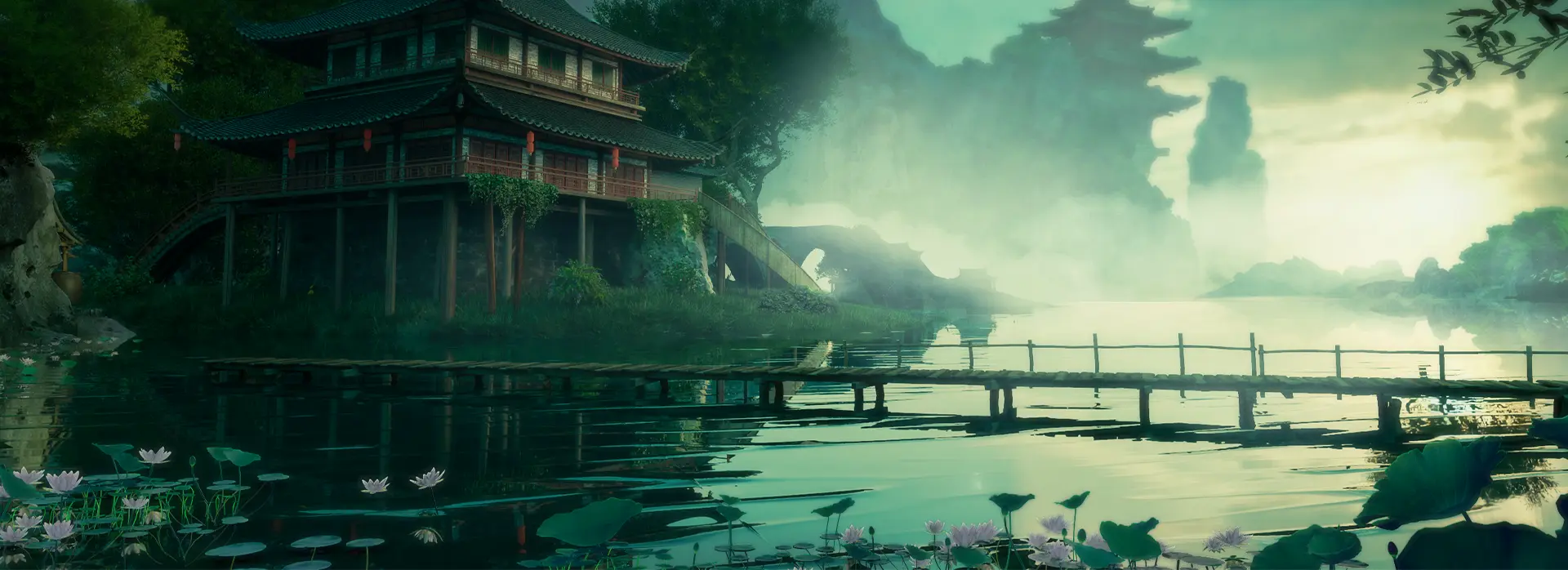
In an animated film, environments play a vital role. Whether it’s a city, a forest, an interior, or a fantastical landscape, they are far more than simple backdrops. They support the storytelling, deepen immersion, and help convey the emotions envisioned by the directors and artistic teams.
An Environment Artist is responsible for designing these visual worlds while balancing artistic vision with production requirements.
The ability to bring coherent and believable worlds to life is one of the most creative aspects of a career in 3D animation and VFX.
What career opportunities are available after a 3D animation school?
Landing a first job through skills and networking
After completing his work-study program, which gave him valuable studio experience, Édouard Sisternas continued developing his personal projects while pursuing his first opportunities in the 3D animation industry.
A former classmate helped him secure his first role as a CG Marketing Generalist at Studio 100 Animation.
This experience introduced him to the realities of studio production and allowed him to quickly take on greater responsibilities across a range of projects.
His career highlights an important reality of the industry: a strong portfolio, personal projects, and professional connections can all play a decisive role in launching a successful career.
Growing into leadership roles
Over the years, Édouard has worked at several studios, steadily building his expertise in creating 3D environments.
His career progression has relied not only on strong technical skills, but also on his ability to collaborate across departments, understand production challenges, and support teams in solving both artistic and technical issues.
Today, as Head of Environment, he leads teams, coordinates international productions, and contributes to the strategic direction of projects.
His journey shows that a career in 3D animation can naturally evolve into leadership and supervisory roles while maintaining a strong creative focus.
Why is mastering the production pipeline essential in 3D animation?
Understanding the entire production pipeline
One of the key takeaways from Édouard’s story is the importance of having a broad understanding of the production process.
Throughout his education and career, he developed a comprehensive knowledge of the animation production pipeline.
Creating an animated film involves many specialized disciplines, including modeling, texturing, surfacing, rigging, animation, lighting, compositing, and visual effects.
Understanding the role of each department enables stronger collaboration, more effective communication, and better decision-making throughout the production process.
A highly valued skill in leading studios
According to Édouard, this broad understanding is a real professional asset. Even when artists specialize in a specific discipline, knowing how their work fits into the stages before and after their own greatly improves collaboration with other teams.
In leading international studios, where hundreds of professionals may be working on the same production simultaneously, this holistic perspective becomes especially valuable.
It strengthens communication, enhances the quality of teamwork, and contributes to the overall success of a project.
Working in international 3D animation: an industry reality
Collaborating with teams across multiple countries
Today, animation productions often rely on teams distributed across multiple countries.
In his role at Mikros Animation, Édouard works daily with colleagues based in Paris, Montréal, and Bangalore.
This international organization requires coordinating teams, aligning production workflows, and ensuring artistic consistency across different studios.
Beyond technical expertise, strong communication and teamwork are therefore essential skills for professionals working in the animation industry.
Career opportunities at leading animation studios worldwide
The 3D animation industry is inherently international.
Artists often collaborate with studios across different countries, contribute to productions created for global audiences, and work in multicultural environments.
Édouard Sisternas’ career perfectly illustrates the international nature of the industry and the opportunities it can offer to young graduates.
What advice does Édouard have for aspiring artists?
Keep learning throughout your career
One message comes through consistently in Édouard’s story: the importance of continuous learning.
Software evolves, technologies advance, and production workflows are constantly changing. To stay at the top of their craft, artists need to keep developing their skills throughout their careers.
Today, adaptability is one of the most valued qualities in animation studios.
Develop curiosity and versatility
For Édouard, curiosity is just as essential.
Exploring new techniques, learning about other areas of the production pipeline, and staying open to industry developments are all key to continuous growth and expanding career opportunities.
This commitment to lifelong learning has guided him since the beginning of his career and continues to support his professional growth within the animation industry.
Key takeaways from Édouard Sisternas’ career
Édouard Sisternas’ career shows that graduating from a 3D Animation & VFX school can open the door to a wide range of career opportunities that continue to evolve over time.
From creating 3D environments to leading international teams, his journey has been shaped by several key strengths: a passion for world-building, a solid understanding of the production pipeline, strong collaboration skills, and a commitment to continuous learning.
For students considering a career in animation, his story is a reminder that beyond mastering software and technical tools, it is often curiosity, versatility, and a willingness to keep improving that build a lasting career in the industry.
What career opportunities are available after a 3D Animation & VFX school?
Graduates can pursue a wide range of careers, including Environment Artist, Character Artist, 3D Animator, Lighting Artist, Texture Artist, Compositing Artist, VFX Artist, and, with experience, Production Supervisor.
What does an Environment Artist do?
An Environment Artist designs the settings and environments that shape the visual world of a film, animated series, or video game. Their work plays a key role in storytelling, immersion, and the overall look and feel of the project.
Can you work internationally after studying 3D animation?
Yes. The animation industry is highly international, with many studios collaborating across multiple countries. As a result, graduates have access to a wide range of international career opportunities.